“GRACEFUL AND VISUALLY ARRESTING” - Kirkus Reviews
2026 Junior Library Guild Gold Standard Selection
In a village on the tropical island of Cuba, a boy named Wifredo Lam loved to draw his surroundings—hot blue air, cool green leaves, and brilliant flowers….
RELEASING AUGUST 25th 2026!….PRE-ORDER AVAILABLE NOW
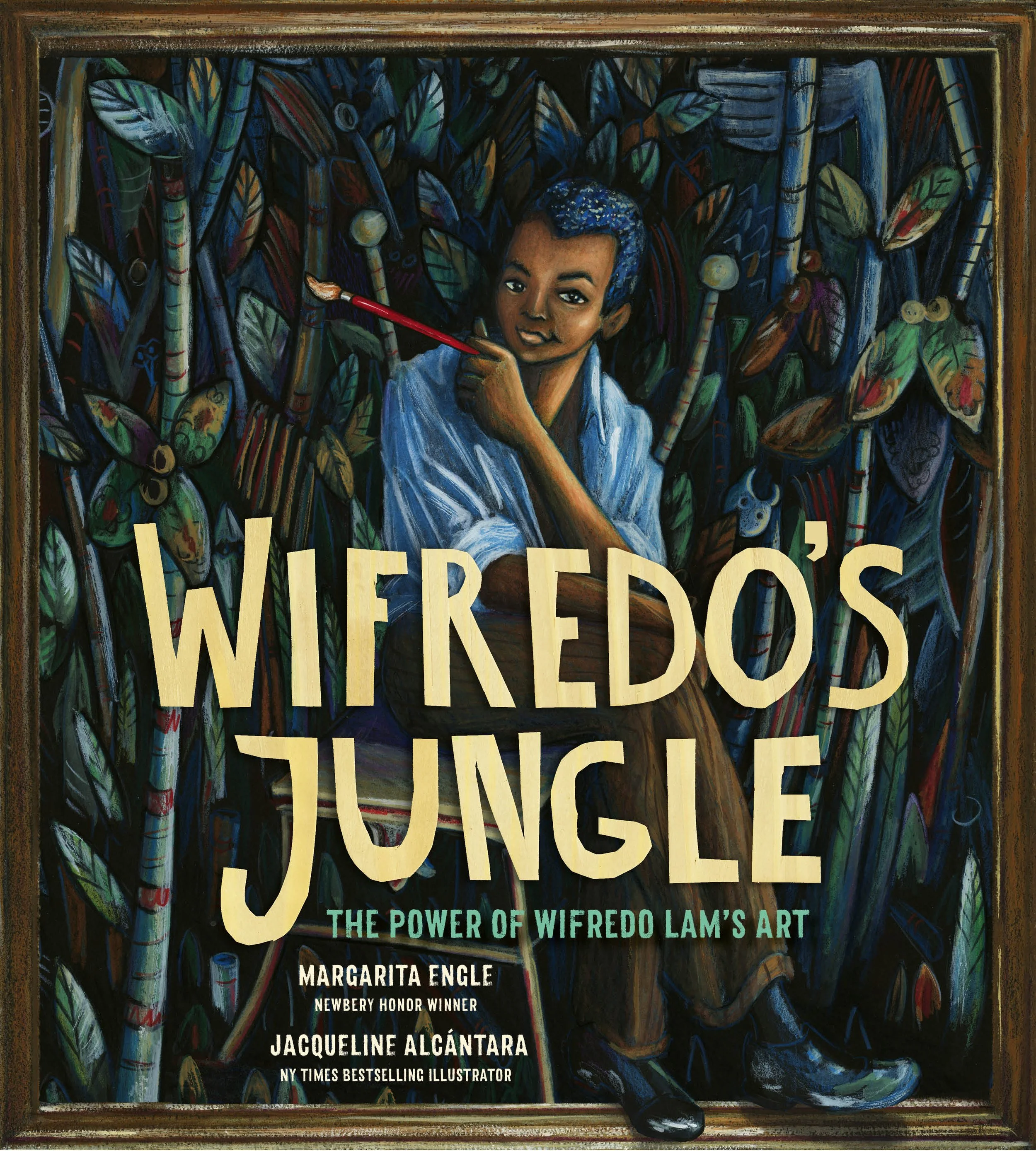
Newbery Honor and Pura Belpré Medal Winner Margarita Engle and New York Times bestselling illustrator Jacqueline Alcántara bring to light the life of Cuban artist Wifredo Lam, who portrayed the enduring Afro Cuban spirit culture through his art
In a village on the tropical island of Cuba, a boy named Wifredo Lam loved to draw his surroundings—hot blue air, cool green leaves, and brilliant flowers….
As he grew older, Lam paid tribute to his Cuban, West African, and Chinese heritage through his art, which brought dignity and respect to Cuba’s rich mix of cultures. Inspired by and in contact with some of the most renowned artists of the early 20th century, such as Pablo Picasso, Frida Kahlo, and André Breton, Lam blended European cubism and surrealism with Afro-Caribbean influences to create his own unique style, culminating in the creation of his masterpiece La Jungla (The Jungle).
From Margarita Engle, a Newbery Honor Winner and a former Young People’s Poet Laureate, and Jacqueline Alcántara, a New York Times bestselling illustrator, Wifredo’s Jungle introduces young readers to the trailblazing life and work of Wifredo Lam.
Back matter includes: more information about the life of Lam and where to see his works; a glossary; and a bibliography.
By Margarita Engle
Illustrator Jacqueline Alcántara
ISBN: 9798896843962
Publication Date: August 25, 2026
Reviews and Accolades
Junior Library Guild Gold Standard Title
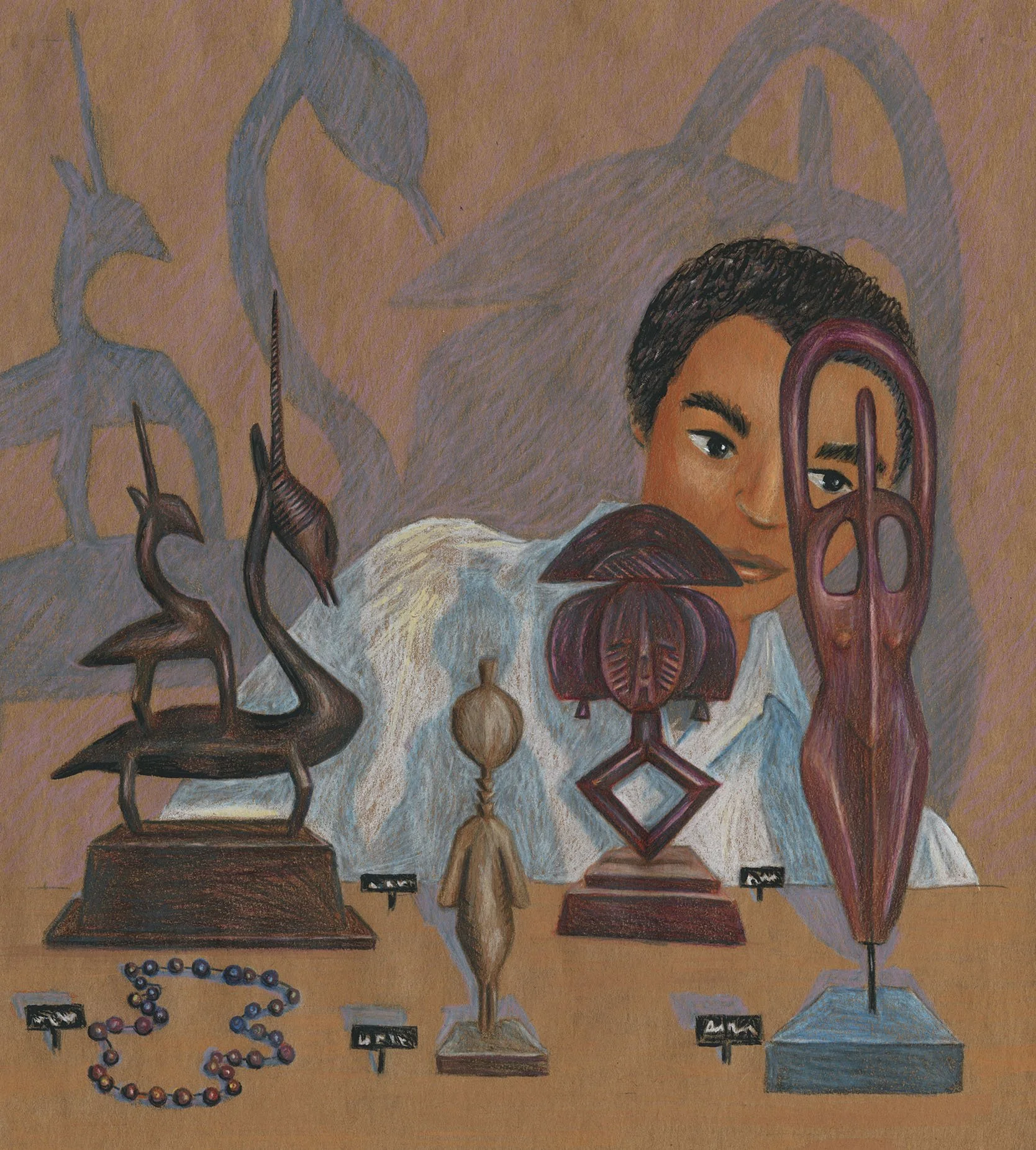
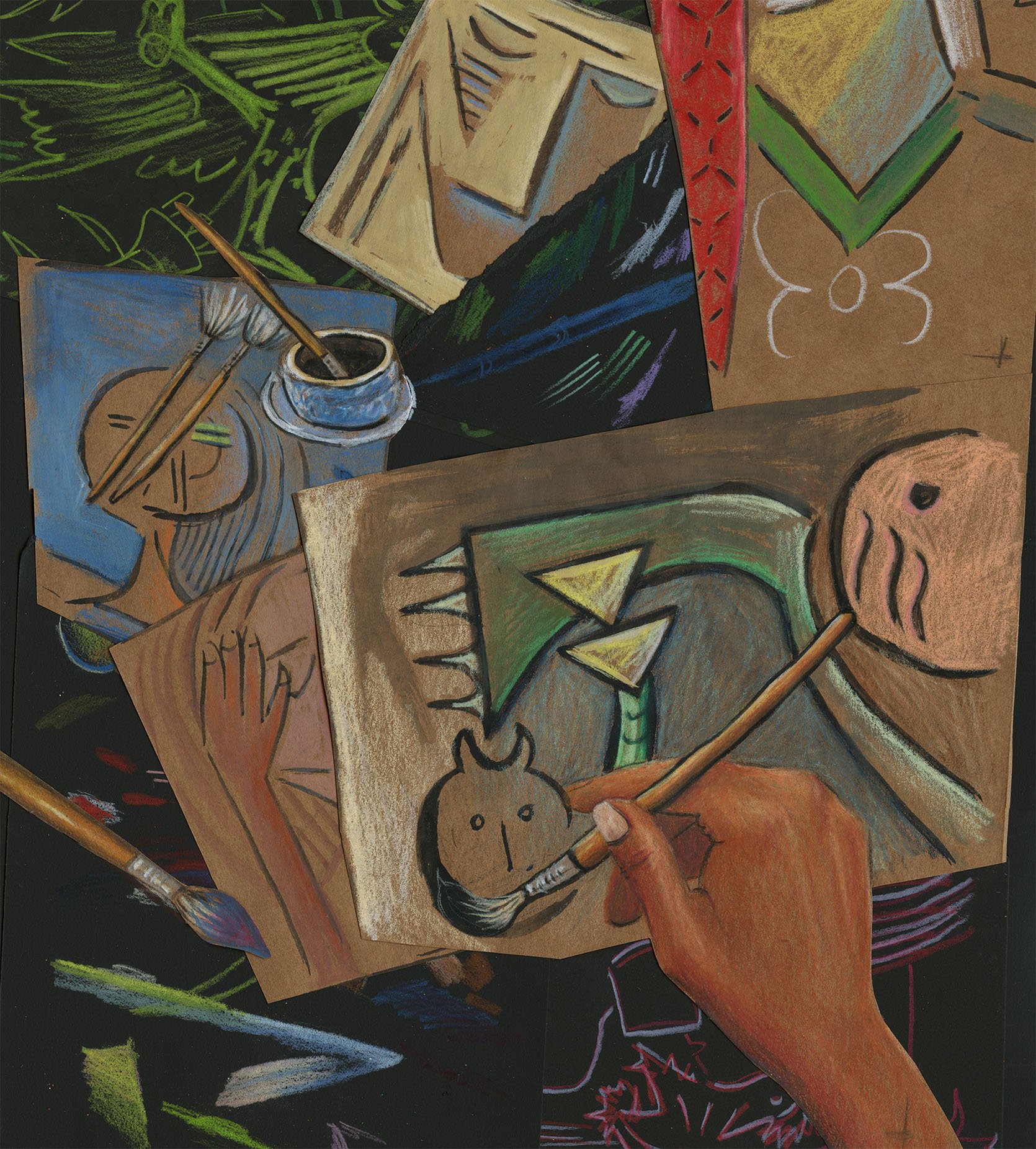
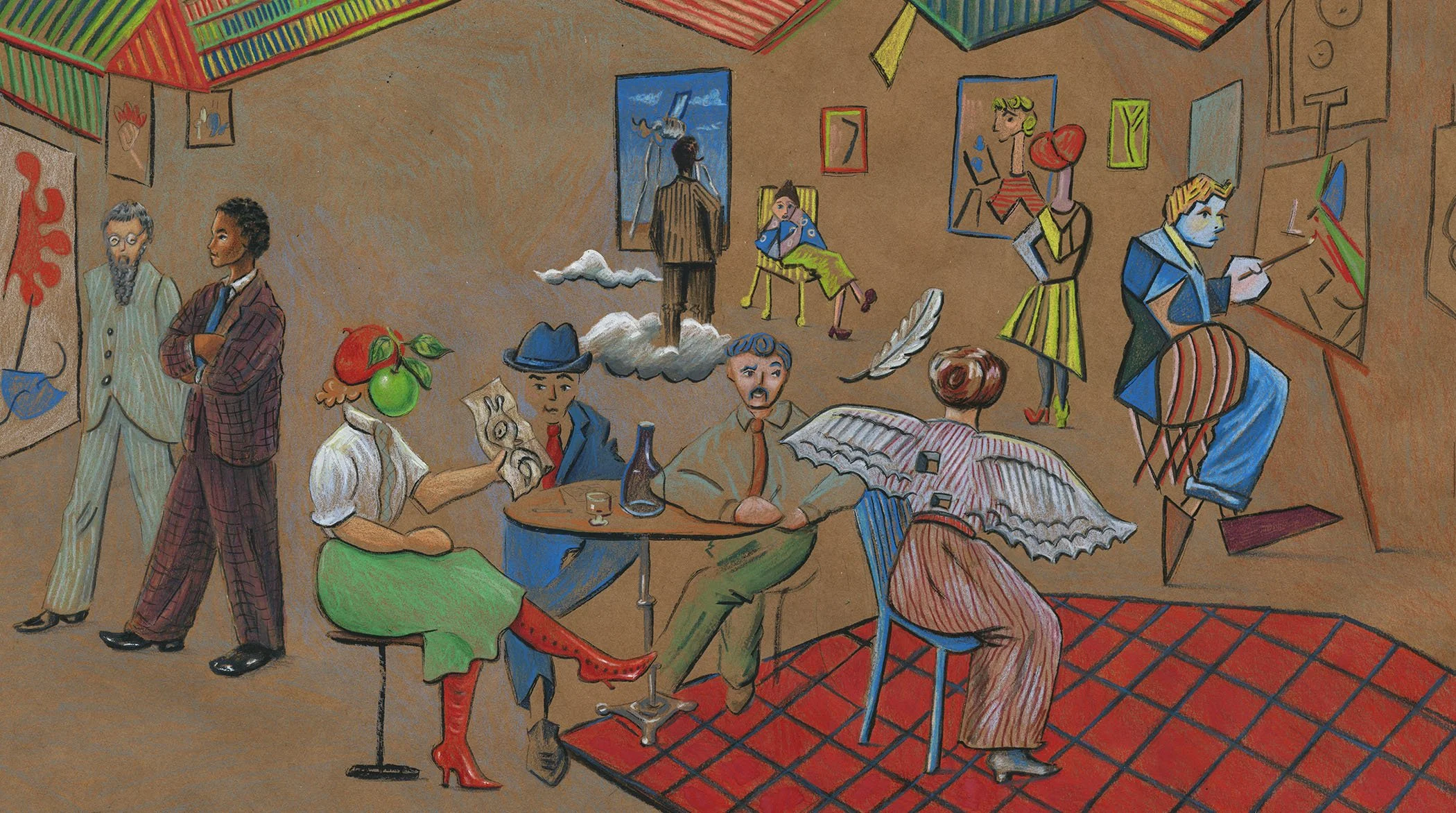
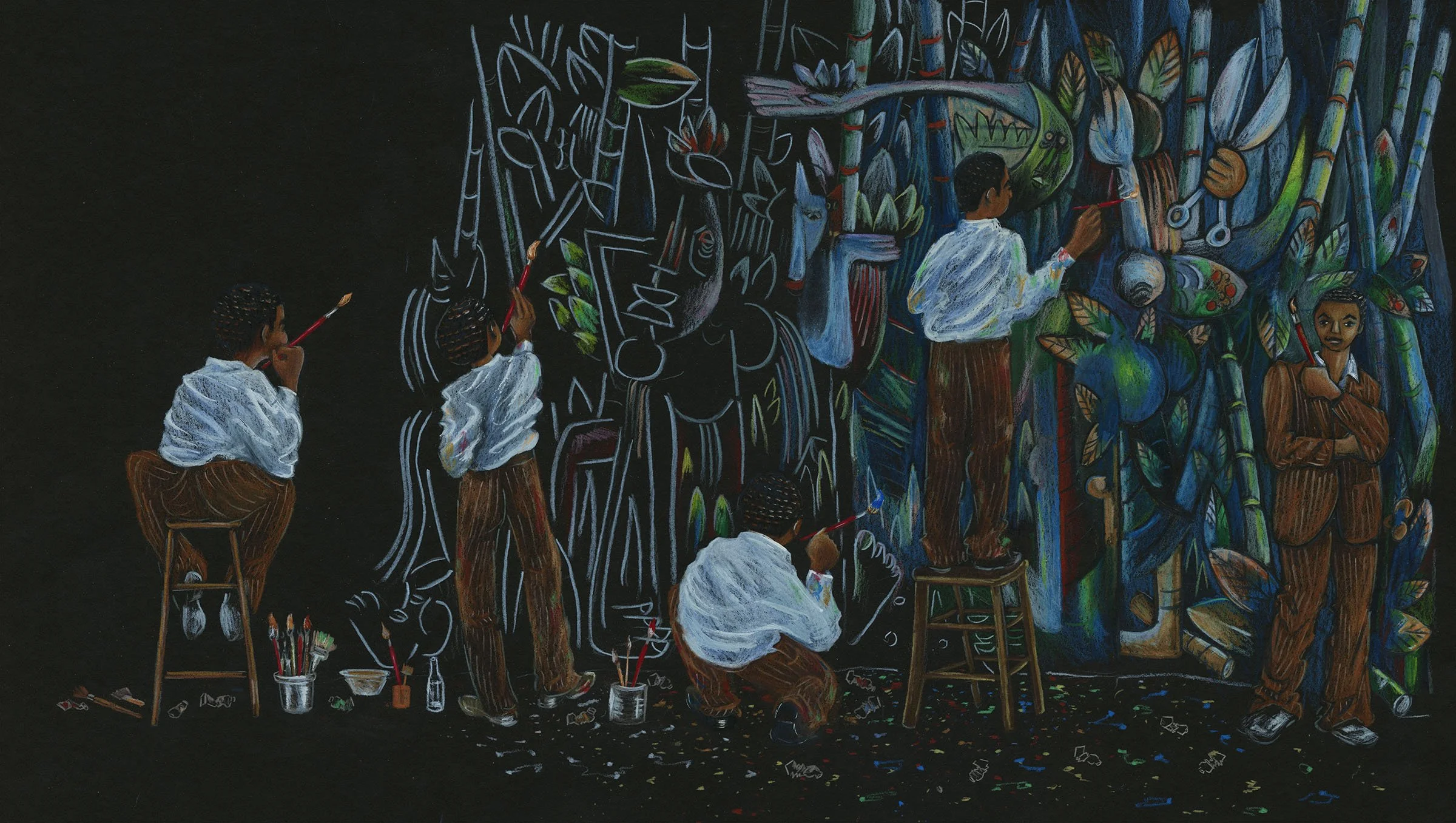
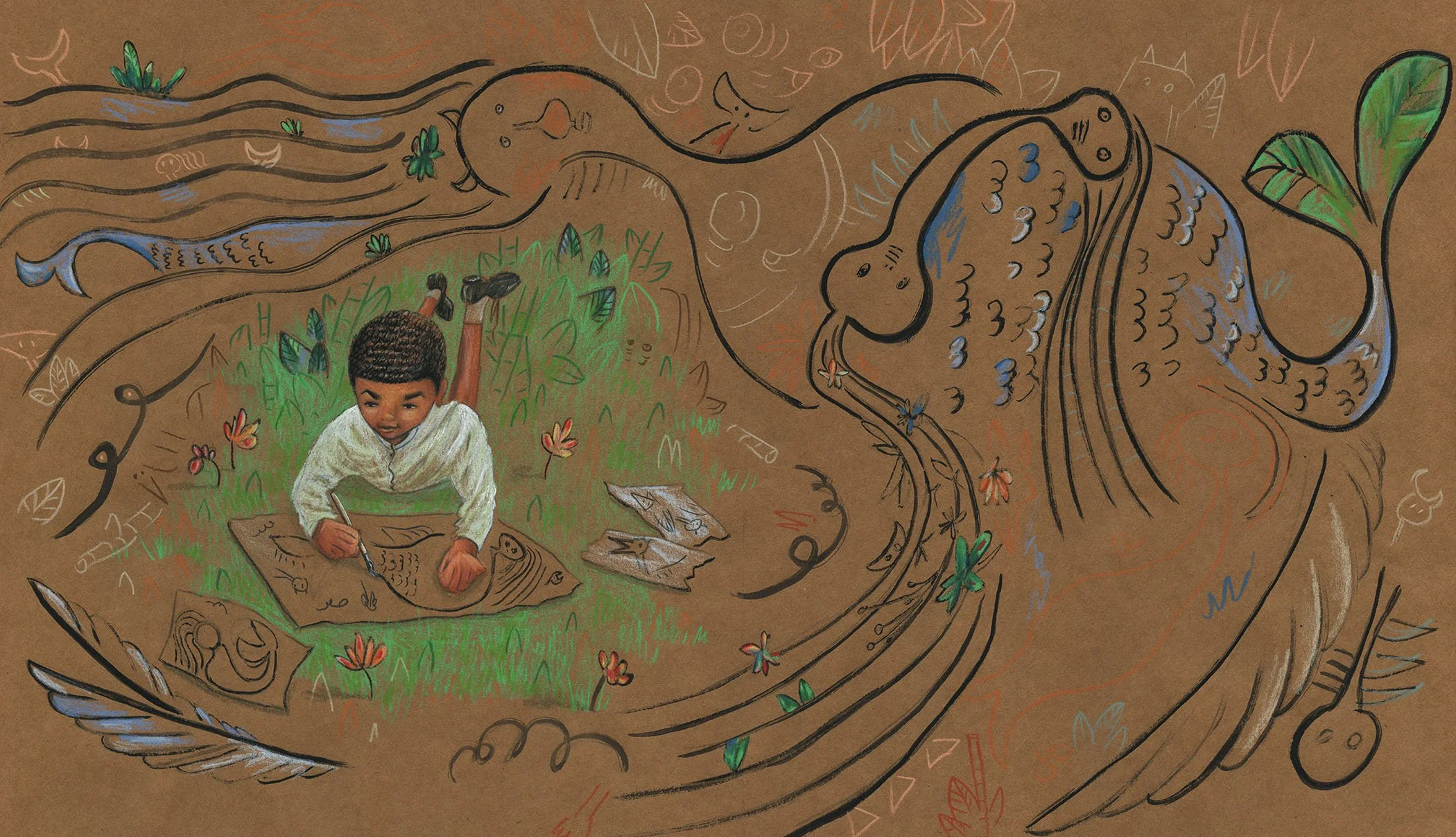
Full Kirkus Review: The story begins with Wifredo Lam’s childhood in a small Cuban village, where he shared a home with seven older siblings, his Chinese Cuban papá, and his African-Taíno-Spanish-Cuban mamá. His papá’s calligraphy work and his godmother’s Santería ceremonies formed the first major influences on the budding artist, whose predilection for sketching and drawing arose at an early age. His family’s relocation to La Habana, where law school awaited, proved antithetical to Wifredo’s desire to commune with art and nature. Engle then promptly charts Lam’s artistic arc, from art school, where a self-portrait led to the realization “that he was finally learning all the skills of an artist,” to his travels abroad in Spain, which galvanized the burgeoning painter to absorb from both the Old Masters and, perhaps more importantly, surrealist and cubist artists like Salvador Dalí, Pablo Picasso, and Joan Miró. The Spanish Civil War and, thereafter, World War II pushed Wifredo from Europe back to the Caribbean, where he developed his unique style and, eventually, created his masterpiece, La Jungla. Engle omits several key details about Lam’s life from the narrative (though those are fleshed out in the backmatter); instead, this is a rich look at Lam’s artistic trajectory. Set on black and brown paper, Alcántara’s superb gouache and pencil illustrations are stunning, incorporating Lam’s influences with aplomb.
Graceful and visually arresting. (glossary, selected bibliography) (Picture-book biography. 6-8)